Planning a Tanzania Safari from Zanzibar: What to Expect
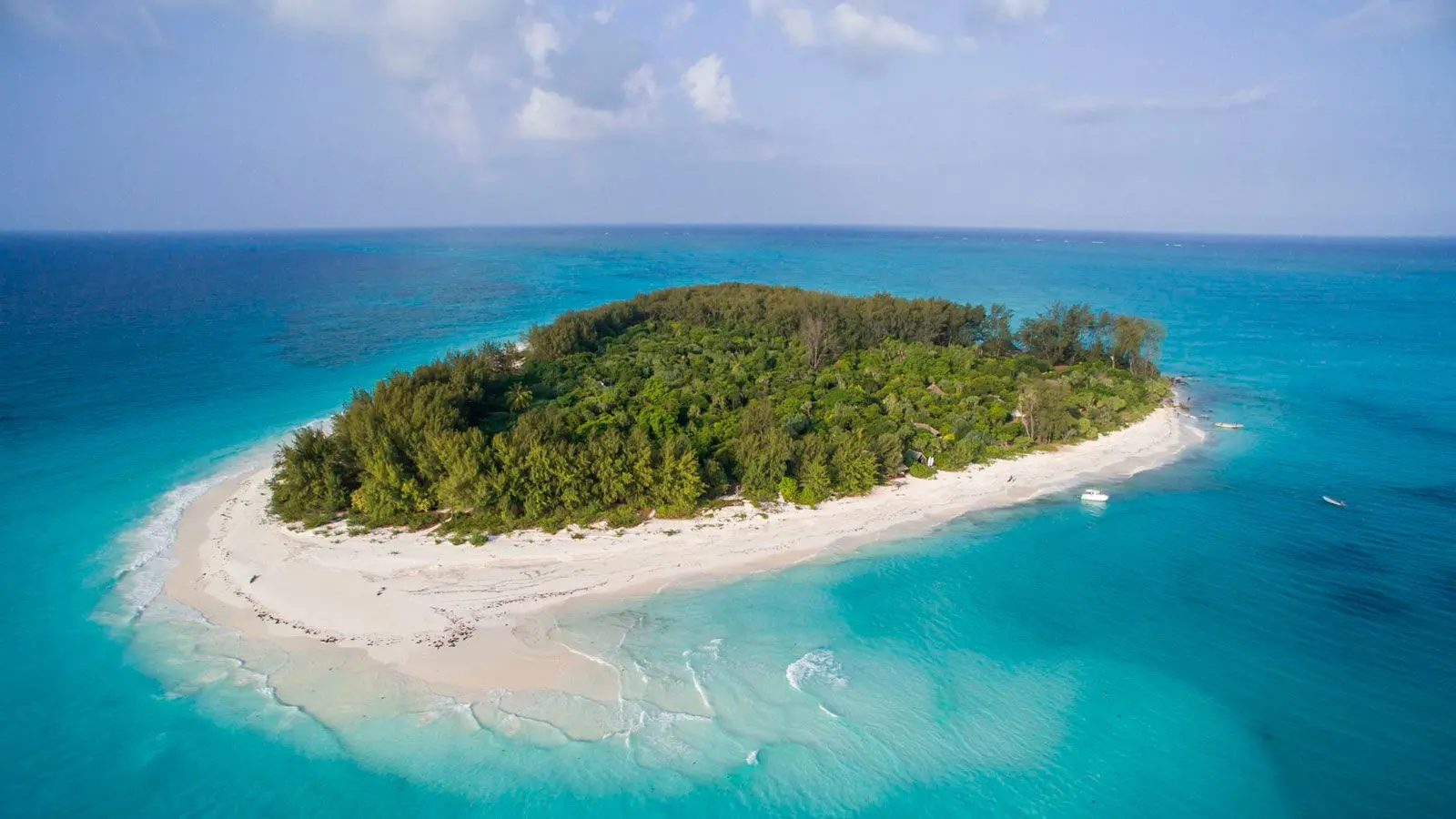
Zanzibar is known for its white sand beaches, turquoise waters, and historic Stone Town. But for many travelers, a stay on the island also sparks curiosity about mainland Tanzania's wildlife. The idea of combining a beach holiday with a wildlife safari is an appealing one, and it is entirely possible to arrange a safari from Zanzibar. The logistics are simpler than they might seem, and the experience can be tailored to fit different schedules and interests.
Why Combine Zanzibar with a Safari
Zanzibar sits off the coast of Tanzania, separated from the mainland by a short flight. Many visitors come to the island specifically for the beach, but once they are there, the proximity to some of Africa's most famous national parks becomes hard to ignore. A safari from Zanzibar allows you to experience two very different sides of Tanzania: the marine and the savannah. The contrast is part of the appeal. One day you can be snorkeling off a sandbank, and the next you can be watching a lion stalk prey in the Serengeti.
The key advantage is that you do not need to choose between wildlife and beach. With a little planning, you can have both. The trip works particularly well for people who are already based in Zanzibar or who plan to spend part of their holiday there. Instead of flying home directly, you add a few days on the mainland for game drives and return to the island to relax before departure.
How a Safari from Zanzibar Works Logistically
The main barrier for most travelers is the distance between Zanzibar and the national parks. Driving from the island to the Serengeti would take you through multiple ferry crossings and long stretches of road, eating up days. The practical solution is a fly-in safari. Small aircraft operate scheduled and charter flights from Zanzibar's airport to airstrips near the parks. The flight to the Serengeti, for example, takes roughly an hour and a half. That saves you from spending two or three days in a vehicle just to get there.
Once you land, a guide meets you and transfers you to a camp or lodge. The rest of the itinerary follows a standard safari pattern: early morning game drives, afternoon drives, and time at camp between them. The difference is that you are coming from an island rather than from Arusha or Dar es Salaam. The whole process is straightforward, but it requires booking in advance because flights and lodges fill up quickly.

For those who want a shorter trip, a fly-in safari can be arranged as a two-night stay. You fly from Zanzibar in the morning, do a game drive that afternoon, another full day of driving, and fly back on the third day. That gives you two full days of wildlife viewing. For a longer experience, three or four nights allow you to visit more than one area, such as the Serengeti and the Ngorongoro Crater.
What You See on a Tanzania Safari
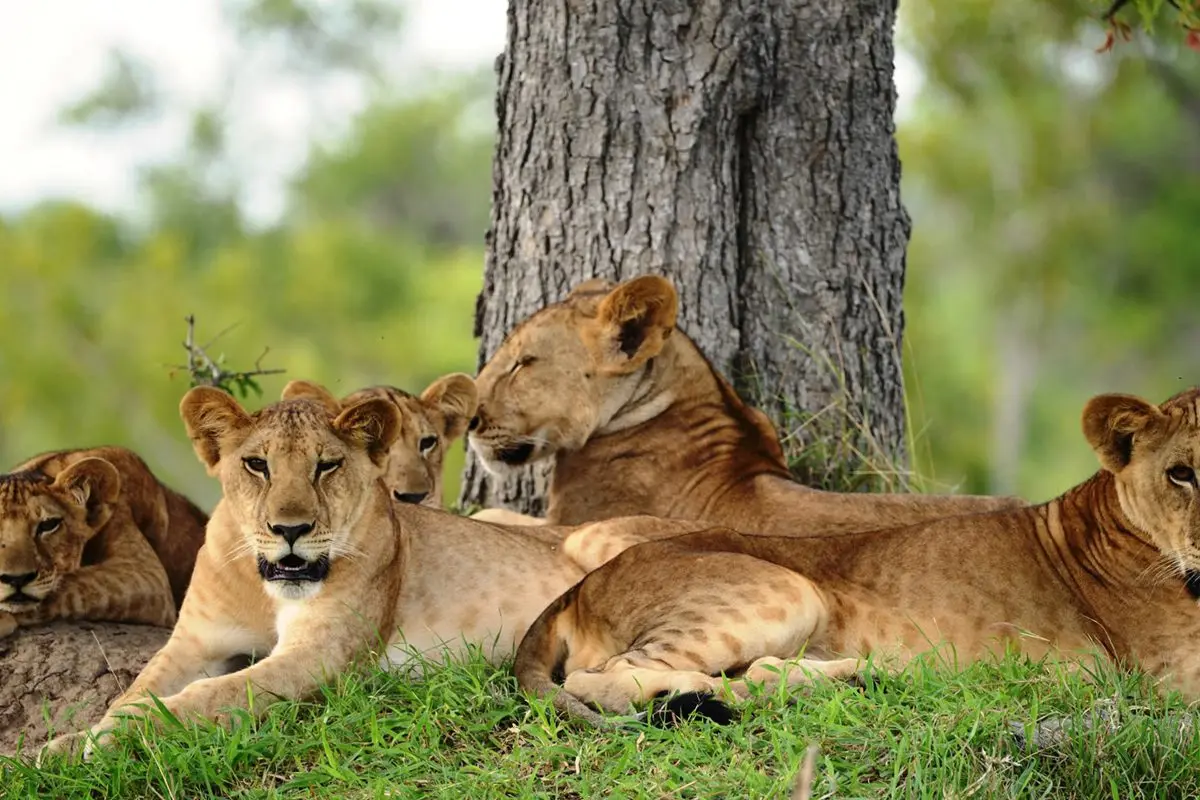
The main draw of a safari from Zanzibar is the wildlife viewing. The Serengeti ecosystem is home to the Big Five: lion, leopard, elephant, buffalo, and rhino. Depending on the season, you may also witness the Great Migration, where millions of wildebeest and zebra move across the plains in search of fresh grass. Predators follow the herds, so sightings of cheetah, hyena, and lion are common.
Game drives happen early in the morning and late in the afternoon. The middle of the day is hot and animals tend to rest in the shade. Guides know where to find the best spots based on recent sightings and animal behavior. You will spend hours driving through open grasslands, along riverbanks, and near waterholes. Patience matters. Some drives yield immediate sightings; others require waiting quietly. The reward is often a close encounter that feels private and raw.
Beyond the Serengeti, other parks are accessible from Zanzibar. Lake Manyara is known for tree-climbing lions and large flocks of flamingos. Tarangire National Park has massive baobab trees and a dense elephant population. The Ngorongoro Crater offers a concentrated wildlife experience inside a volcanic caldera. Each park has a distinct character, and a well-planned itinerary can include two or three of them.
Combining Wildlife with Beach Time
One of the most popular ways to structure this trip is to start on Zanzibar, fly to the mainland for the safari, and return to the island for a final stretch of beach time. That way, you front-load the relaxation and end with it as well. Alternatively, you can do the safari first and then fly to Zanzibar to wind down. The choice depends on your travel style and how you want to pace the trip.
If you are planning a combined wildlife and beach holiday, keep in mind that the safari portion is active. Early mornings and full days in a vehicle can be tiring. It is wise to allow at least one full rest day on the beach after the safari before flying home. That buffer day also helps with any travel delays between the mainland and the island.
Tailoring the Experience
A safari from Zanzibar is not a one-size-fits-all package. Travelers have different priorities. Some want luxury safari accommodations with en-suite tents, fine dining, and private vehicles. Others prefer a more basic camp experience that feels closer to nature. Both options are available. The choice affects the budget, but it also affects the overall feel of the trip.
The length of the safari is another variable. A two-night fly-in safari is efficient but intense. You see a lot in a short time, but you have less flexibility if weather or animal movements change plans. A four-night safari gives you more room to adjust the itinerary and to spend extra time in areas where sightings are good.
Guides make a huge difference. A knowledgeable guide knows the terrain, the animal habits, and the best times to be in certain areas. They also handle the logistics of moving between parks and coordinating flights. When you book a tailor-made tour, the guide is typically assigned based on your interests and the specific parks you visit.
Practical Considerations
Packing for a safari from Zanzibar requires a bit of thought. The island is hot and humid, while the mainland parks can be cool in the early morning and dusty throughout the day. Lightweight, neutral-colored clothing works well. A hat, sunscreen, and insect repellent are essential. Binoculars and a camera with a good zoom lens will enhance the experience.
The phrase "safari from Zanzibar" might sound like a niche offering, but it is a well-established travel option that many tour operators provide. The convenience of a short flight and the chance to see two distinct environments make it an attractive choice for travelers who want more than a single-destination holiday. It is worth noting that booking through a reputable operator ensures that transfers, park fees, and accommodations are handled smoothly.
Visas for Tanzania can be obtained on arrival or in advance, and they cover both the mainland and Zanzibar. The currency on the island is Tanzanian shillings, though US dollars are widely accepted for tours and park fees. Health preparations include consulting a travel clinic about malaria prophylaxis and vaccinations. The parks are in low-lying areas where mosquitoes are present, so precautions are important.
Is a Safari from Zanzibar Right for You
This type of trip suits travelers who value variety and are comfortable with a bit of travel logistics. It is not for someone who wants to stay in one place for the entire holiday. The flight between Zanzibar and the mainland is short, but it does add a layer of coordination. If you are willing to pack a few activities into your trip, the payoff is a richer experience of Tanzania.
For those who prefer a slower pace, spending the entire holiday on Zanzibar is perfectly fine. But if the idea of seeing wild animals in their natural habitat appeals to you, a safari from Zanzibar is a realistic and rewarding addition to your itinerary. The combination of beach and bush is a classic East African experience, and it can be adapted to fit different budgets, schedules, and comfort levels.
To get the most out of the trip, plan ahead. Research the parks, decide how many days you want on safari, and book with a company that specializes in this route. The logistics are manageable, and the memories of watching a sunset over the Serengeti after a morning on a Zanzibar beach are hard to beat.